
It’s 2 a.m. in Nairobi. Your baby is crying. You peel off the diaper and the sheet underneath is soaked through. If you’ve been there — and most Kenyan parents have — you already know that not all diapers in Kenya are built the same.
Choosing the best diapers in Kenya is not just about softness. Our climate, our commutes, and our budgets demand a lot. A diaper that works fine in a mild European nursery can completely fall apart during a humid Mombasa afternoon or a two-hour matatu ride to Thika. What Kenyan babies need is real protection — the kind that lasts through a full night and then some.
What 12-Hour Dryness Actually Means
Most disposable diapers Kenya parents reach for will claim some version of overnight protection on the packet. Ignore the marketing — what matters is the absorbent core. Premium diapers use a 3D gel-core system that locks wetness away from the skin surface, so even if your baby wets twice before morning, they wake up dry and comfortable.
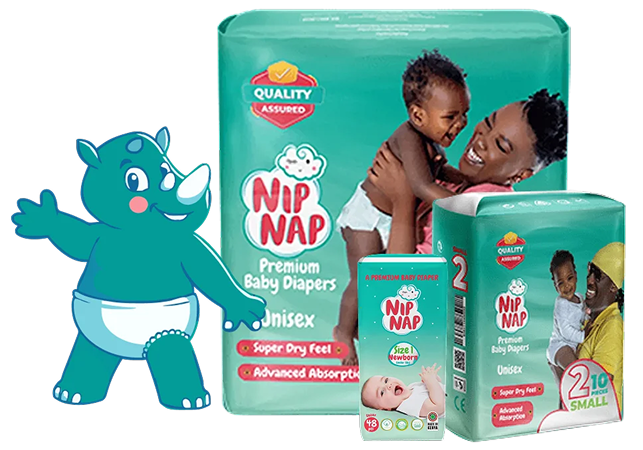
NipNap diapers, made specifically for the Kenyan market, use an advanced 3D core with up to 12 hours of dryness. That’s one diaper from bedtime to morning. One night, one diaper — and that’s not just a tagline, it’s a genuine difference in how your next day starts.
Which Diaper Brands in Kenya Are Worth Your Money?
Walk into any Naivas or Carrefour and you’re staring at a shelf of options. Diaper brands in Kenya range from international giants to locally produced alternatives. The price gap is real — so is the quality gap.
Here’s what to actually look for:
Breathable outer layer — Kenya is warm. A plastic-heavy outer layer traps heat and moisture against your baby’s skin. Breathable materials let air circulate, which matters if your baby is playing outside in Nairobi’s afternoon sun.
Hypoallergenic inner fabric — Rashes are common and genuinely painful. The soft inner layer touching your baby’s skin should be cotton-like, not scratchy. If a baby diaper leaves red marks or your baby seems uncomfortable when seated, the material is too rough.
Elastic waistband and side barriers — These two design features do most of the leak-prevention work. A snug waist and upright side barriers keep everything inside, whether your baby is sleeping, rolling around, or having a very active morning.
Diaper price in Kenya is a real consideration. Affordable does not have to mean low quality. NipNap sits in a price range that makes sense for Kenyan families buying consistently — you get premium diapers performance without the imported price tag.
Newborn Diapers: Getting the First Weeks Right
Newborn diapers are a slightly different conversation. A brand-new baby’s skin is softer and more reactive than an older infant’s. The umbilical cord stump is still healing. You want a newborn diaper size that fits snugly without pressing on that area.
NipNap Size 1 is designed for babies from 0 to 5 kg. The fit is soft, the waistband doesn’t bite, and the absorbency is there from day one. If you’re putting together a hospital bag, this is the size to pack. For more on what to bring to the hospital and what to prepare for your baby’s first days, read our complete newborn diaper guide at nipnap.co.ke.
Making the Switch: How to Find What Works for Your Baby
One honest tip: don’t buy a box of 50 before you’ve tested a smaller pack. Diaper brands react differently to different babies — skin sensitivity, sleeping positions, and body shape all play a role. Buy a small pack of your shortlisted option, use it for two full days including one overnight, and check for leaks, redness, and general fit.
If it holds up, stock up — especially if you can catch a Jumia sale or a wholesale deal. Diapers wholesale Nairobi options can bring the per-diaper cost down significantly when you’re buying for a growing baby who goes through several a day.
The best diapers in Kenya are the ones your baby sleeps through. For most Kenyan parents who’ve tried NipNap, that’s exactly what happens. Visit nipnap.co.ke to find your nearest stockist or order online.
FAQ:
Q: Which diapers are recommended for overnight use in Kenya?
Diapers with a 3D gel core & outer layer that breathes will perform best overnight in a warm Kenyan environment. Obtaining 12 hours of dryness makes NipNap premium value a wise choice for overnight diapering in Kenyan weather.
Q: What is the cost of diapers in Kenya?
Pricing varies based on brand and size for diaper products sold in Keny. Premium local brands like NipNap are often competitively priced compared to imported products designed for less hospitable Kenyian climate conditions.
Q: Are higher-end diaper brands more effective for babies from Kenya?
Not necessarily; rather, features like absorbency/breathability/fit are more important than brand name. NipNap offer products specifically designed/provided in size/strength/quality that are affordable for the Kenyan family
Q: What size newborn diaper should I purchase prior to our baby arriving?
Most newborns will fit into Newborn diaper (Size 1) until approximately 5 kg. One small pack would be good enough to buy prior to your baby’s birth since some newborns will weigh more than you may anticipate. NipNap’s Size 1 diaper should be a suitable choice for all newborns.
Q: Where can I purchase NipNap brand diapers?
NipNap are sold at large food stores, shops across the country & online at nipnap.co.ke. Families can also purchase NipNap diapers in bulk at discounted rates.