

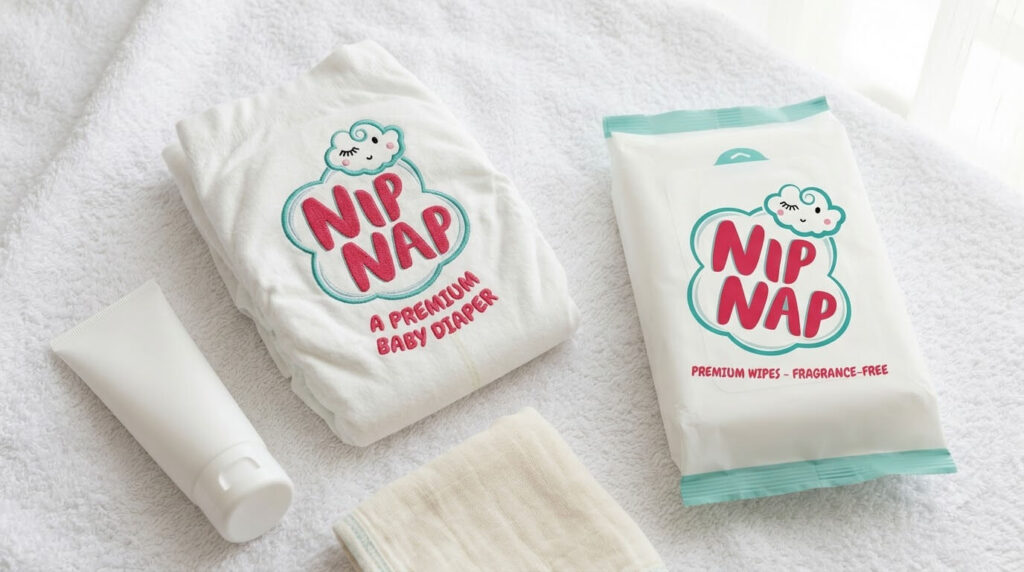
Walk into any baby shop in Nairobi and you'll find a whole shelf of barrier creams, balms and ointments. It's easy to come away thinking you need to use nappy cream at every change, just to be safe. For most babies with healthy skin, you don't. Nappy cream is a useful tool, but it works best when you use it for a reason rather than out of habit.
Here's how to tell when your baby's skin needs it, when it doesn't, and how to keep things simple.
What nappy cream actually does
Most nappy creams are barrier creams. They put a thin protective layer between your baby's skin and whatever is in the nappy, so urine and stools can't sit directly on the skin. Some also soothe skin that's already red.
That's genuinely helpful when skin is irritated or at risk. But a barrier works both ways. A thick layer on healthy skin at every change can hold warmth in and, if it's never fully wiped off, can build up in the skin folds. It can also coat the nappy's top sheet, which makes it harder for liquid to pass through into the absorbent core.
When healthy skin doesn't need cream
If your baby's nappy area looks clean, soft and its normal colour, the best protection is dryness. That comes from three things you're probably already doing:
- Changing wet nappies promptly and dirty ones straight away
- Cleaning gently with a soft, fragrance-free wipe or cotton wool and water
- Letting the skin dry fully before putting on a fresh nappy
A breathable nappy does a lot of the work here. NipNap nappies have a breathable backsheet that lets air through, so heat and moisture don't build up inside, and a 3D core that pulls wetness away from the skin. When skin stays dry, it rarely needs extra help.
When nappy cream is worth using
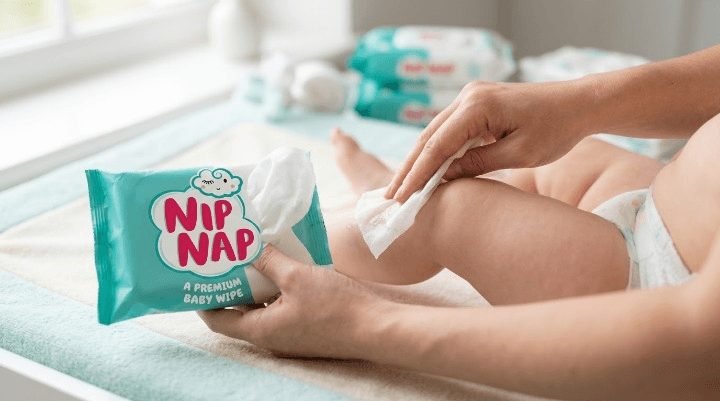
There are times when a barrier is a very good idea. Reach for the cream when:
- The skin looks pink or red, even slightly
- Your baby has diarrhoea or loose stools, for example during a tummy bug
- Your baby is teething and producing more acidic stools
- Your baby is on antibiotics, which can make rashes more likely
- The nappy will be on for a long stretch, such as overnight or a long matatu journey
- Your baby has had nappy rash before and it tends to come back
In these situations, a thin layer at each change can make a real difference.
Cream at every change vs only when needed
Here's a simple way to decide what your baby needs today.
| Skin condition | Cream needed? | What to do |
|---|---|---|
| Clean, soft, normal colour | Usually not | Clean gently, dry fully, fresh nappy |
| Slight pinkness | Yes, a thin layer | Change more often, add some nappy-free time |
| Red and sore but skin unbroken | Yes, at every change | Change promptly, pat dry, avoid rubbing |
| Loose stools or tummy bug | Yes, as a preventive barrier | Change straight after every stool |
| Broken skin, blisters or spreading rash | Speak to a health worker | Don't rely on cream alone |
How to apply it properly
If you do use cream, how you apply it matters as much as whether you apply it.
- Clean the area and let it dry completely first. Cream on damp skin traps moisture in.
- Use a thin layer. You should still be able to see the skin through it.
- Focus on the areas that touch the nappy, not deep into every fold.
- You don't need to scrub off every trace at the next change. Wipe away what's soiled and add a little more on top.
The role of gentle wipes
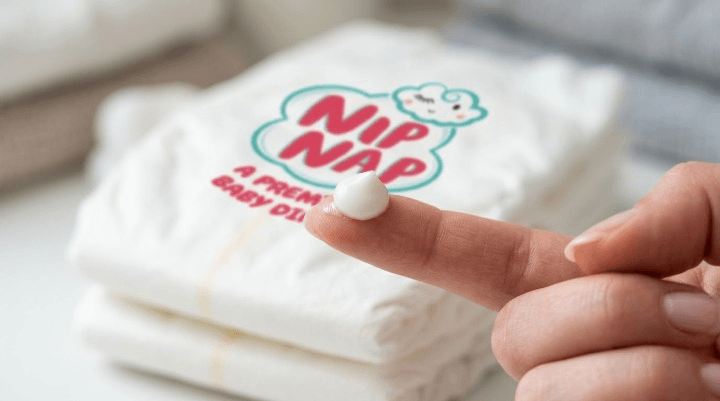
Harsh wipes can undo the good work of a careful routine. Alcohol and fragrance can sting skin that's already sensitive. NipNap baby wipes are alcohol-free, paraben-free and dye-free, and they're made with chamomile and marigold extracts plus Pro-Vitamin B5 and Vitamins E and H. They're designed to cleanse gently and help keep skin comfortable, which for many babies means less need for cream in the first place.
For a wider look at prevention, our tips on keeping your baby's skin healthy and avoiding diaper rash cover everything from changing frequency to nappy-free time. And if you're wondering how long a nappy can safely stay on, read our honest answer on wet nappies.
When to see a health worker
Most nappy rash clears within a few days with frequent changes and a barrier cream. Speak to your clinic or a health worker if the rash hasn't improved after three or four days, if the skin is broken or blistered, if the rash spreads beyond the nappy area, or if your baby has a fever or seems unwell.
Use nappy cream when it's needed, not at every change
So, do you need nappy cream at every change? For healthy skin, usually not. Keep skin clean and dry, choose a breathable nappy and gentle wipes, and bring out the cream when the skin, the stools or the situation call for it. Simple routines tend to be the ones that last.
Less Nappy Cream at Every Change, More Comfortable Skin
NipNap nappies have a breathable backsheet and a fast-absorbing 3D core, and our fragrance-free wipes are made with chamomile and marigold.