


Most parents use "nappy rash" and "nappy allergy" as if they're the same thing, and honestly, most of the time it doesn't matter, because most of the time it is just rash. It's the other times that trip people up: the redness that won't budge no matter how often you change your baby, or the patch that appears out of nowhere a day after you switched brands. That's usually when the question of a diaper allergy vs diaper rash stops being academic and starts being something you're googling at 11pm with a fussy baby on your hip.
The two look similar enough at first glance that it's an easy mix-up. But they behave differently, they're caused by different things, and — this is the part that actually matters — they don't respond to the same fixes. Treating an allergy like ordinary rash usually just means more frustrated weeks than you need.
What Ordinary Nappy Rash Looks Like
Standard nappy rash is, at its core, a wetness problem. Skin that sits against a damp nappy for too long gets irritated, and the redness tends to settle into the creases and folds — the inner thighs, the crease where the leg meets the body, sometimes the lower tummy. It's usually a smooth, even redness rather than sharply defined, and it tends to get worse over the course of a long stretch (overnight, a long nap, a busy day with fewer changes) rather than appearing all at once.
The good news is that ordinary rash responds fast to the obvious fixes. More frequent changes, a bit of air time, and a barrier cream at bedtime usually calm it down within two or three days. If nothing's improved by day four or five, that's your first clue that something else might be going on.
What a Diaper Allergy Actually Looks Like
An allergic reaction — technically contact dermatitis, since it's the skin reacting to something it's touching rather than a true food-style allergy — tends to show up differently. Instead of a general dampness-related redness, you'll often see patches with a defined edge, sometimes matching exactly where the elastic, the fastening tabs, or a particular part of the nappy sits against the skin. It can appear suddenly, sometimes within a day of trying a new brand, a scented product, or even new wipes. It may look bumpy rather than smooth, and in more pronounced cases there's mild blistering or weeping.
The other tell is how it responds to treatment. Changing more often and slapping on barrier cream does very little for an allergic reaction, because the irritant is still sitting against the skin every time you put the nappy back on. The rash calms down only when whatever's triggering it is removed.
| Sign | Ordinary Nappy Rash | Possible Nappy Allergy |
|---|---|---|
| Location | Skin folds and creases, worst where the nappy sits longest | Sharp-edged patches, often matching elastic, tabs or fabric lines |
| Onset | Builds gradually over hours of dampness | Can appear suddenly, often within a day of a new product |
| Texture | Smooth redness, sometimes slightly shiny | Bumpy patches, occasionally small blisters or weeping |
| Response to more changes + barrier cream | Usually improves within 2–3 days | Little to no improvement |
| Pattern | Returns whenever a wet nappy is left on too long, regardless of brand | Reappears consistently with one brand or material, calms once it's removed |
Common Culprits Behind Diaper Allergies
When a reaction is genuinely allergy-driven, a handful of usual suspects tend to be behind it:
- Added fragrance, which is one of the most common triggers on sensitive newborn skin
- Dyes used in coloured prints or patterns
- Adhesives on the fastening tabs, where the skin makes direct contact
- Latex components in some leg cuffs or waistbands
- Occasionally, it's the wipes rather than the nappy at all — worth ruling out before you blame the nappy brand
When It's Worth Seeing a Doctor
Most nappy-area irritation clears up at home. But it's worth getting it checked if you notice blistering or weeping that isn't improving, a fever alongside the rash, redness spreading well beyond the nappy area, or if a rash that should be simple hasn't shifted after several days of proper care. A quick check from a doctor or clinician saves you from weeks of trial and error, and rules out a skin infection, which can look similar to both rash and allergy but needs different treatment entirely.
Reducing the Risk With the Right Nappy
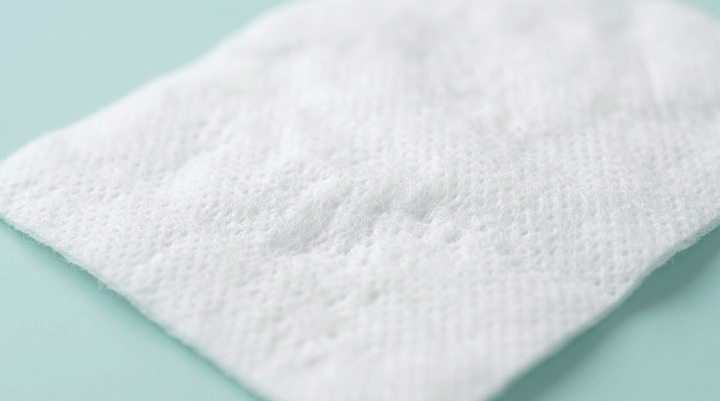
You can't always predict how a baby's skin will react, but you can stack the odds in your favour by starting with a nappy that's got fewer potential irritants in it to begin with. NipNap's disposable diapers are unscented, dye-free and latex-free, with a soft, breathable top sheet designed to sit gently against newborn skin. If it's the wipes you suspect rather than the nappy, NipNap's baby wipes use chamomile and marigold rather than fragrance, which is a gentler starting point for sensitive skin.
If ordinary rash is more your concern right now than allergy, our earlier guide on keeping your baby's skin healthy covers prevention in more depth. And if you're still unsure which one you're dealing with, our FAQs page and parent reviews are worth a browse — plenty of Kenyan parents have been through exactly this and worked out what helped.
Getting the call right on diaper allergy vs diaper rash isn't about diagnosing your baby like a professional. It's about noticing the pattern — where it is, how fast it appeared, and whether the usual fixes are working — so you're treating the actual problem instead of repeating a routine that was never going to help.
Give Your Baby's Skin a Gentler Start
NipNap's unscented, dye-free, latex-free nappies are designed to reduce the everyday irritants that lead to sensitive-skin reactions — without compromising on 12-hour dryness.