
You’re standing in a Nairobi pharmacy at 10pm, your baby is uncomfortable, you’ve got three brands in front of you, and you have no idea which one is actually going to hold through the night. It’s a situation most Kenyan parents know well. Choosing disposable diapers in Kenya isn’t complicated once you know what to look for, but the market is full of options that look similar on the shelf and perform very differently at 3am.
Here’s what actually matters.
Why Absorbency Is the Number One Thing to Get Right
Disposable diapers work by pulling moisture away from your baby’s skin and locking it into an absorbent core. The quality of that core is everything. A cheap diaper might absorb the first wee fine, then lose structure — the filling clumps, the surface stays wet, and your baby wakes up with a rash.
When you’re looking at disposable diapers in Kenya, ignore the packaging promises and look at the inner layer. It should feel soft and dry to the touch, not paper-thin or scratchy. A diaper with a quality SAP (super absorbent polymer) core will hold 4 to 5 times its weight in liquid without leaking. That’s what gets you through a full night or a long journey without a mid-trip change.
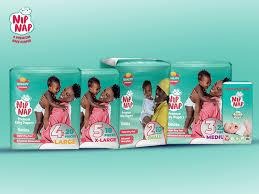
NipNap diapers are built with a 3D absorbent core that keeps the surface dry for up to 12 hours. For parents in Mombasa dealing with heat, or those in Kisumu who need a long-day option, that matters more than the price per piece.
The Fit Problem Nobody Talks About
A diaper that doesn’t fit correctly will leak regardless of absorbency. It’s not always about size — it’s about how the diaper sits on your baby’s body. The leg cuffs should seal gently against the thigh without cutting in. The waistband should sit flat below the navel, secure but not tight.
Sizing in Kenya varies slightly by brand. As a general rule, go by weight rather than the age printed on the pack. For a 4 kg newborn, size 1 applies. For a baby between 6 and 10 kg, size 3 (Midi) is typically the right call. If you’re seeing red marks on the skin or finding leaks despite a full diaper, it’s usually a size problem, not a product problem.
For a full breakdown of NipNap sizes and which fits your baby right now, visit our baby diapers.
What “Breathable” Actually Means on a Diaper Pack
Every disposable diaper in Kenya seems to claim it’s breathable these days. Not all of them mean the same thing. A truly breathable diaper has a back sheet made from microporous film — it lets water vapour out while keeping liquid in. This reduces heat and moisture build-up around your baby’s skin, which directly reduces the risk of nappy rash.
In Kenyan climates, breathability isn’t a bonus feature. It’s practical. Babies in the coastal heat or in a warm Nairobi flat without air conditioning need a diaper that doesn’t trap heat. A non-breathable diaper in a warm environment creates exactly the conditions that lead to redness and discomfort.
Knowing When to Change
Even the best diapers in Kenya need to be changed regularly. A disposable diaper should be changed every 2 to 4 hours during the day, or whenever there’s a bowel movement. At night, a high-quality diaper with good absorbency can go longer — but if your baby wakes upset, start there.
Signs the diaper has reached its limit: it feels noticeably heavier, it’s sagging at the back, or the surface feels damp when you press gently. At that point, the core is saturated and further use risks leaks and skin irritation.
If rashes are a recurring problem despite regular changes, it’s worth trying a different brand. Some babies react to the synthetic fragrance in cheaper diapers in Kenya — NipNap uses fragrance-free materials for exactly this reason.
Need help working out which size or type is right for your baby? Contact us here and we’ll point you in the right direction. You can also find us and read parent reviews on our profile.
FAQ
Q: Are disposable diapers safe for newborns in Kenya?
Yes, provided you choose a brand that avoids harsh chemicals and fragrances. Look for diapers labelled dermatologically tested or hypoallergenic. Change frequently in the early weeks as newborns urinate very often.
Q: What’s the difference between disposable diapers and baby nappies Kenya brands sell?
In Kenya, nappies traditionally refer to reusable cloth diapers that are washed and used again, while disposable diapers are the single-use type you throw away after each change. NipNap, like most brands sold in Kenyan stores today, makes disposable diapers, not reusable nappies. Within disposable diapers, the distinction that matters day to day is between tape-style diapers for babies who lie flat and pant-style diapers for mobile babies.