
Every parent in Kenya ends up standing in a supermarket aisle at some point, staring at a wall of nappy packs, wondering if the pricier one is actually better or just better marketed. It’s a fair question. The best diapers in Kenya aren’t the ones with the flashiest packaging — they’re the ones that keep your baby dry through the night, don’t irritate sensitive skin, and hold up while a toddler is climbing on everything in sight.
Why the diaper you pick actually matters
Newborn skin is thin, and it reacts fast to anything that isn’t right — prolonged dampness, rough fibers, harsh chemicals. A few hours in a cheap, poorly absorbent nappy and you’re dealing with a rash, a fussy baby, and a 2am trip to check on them.
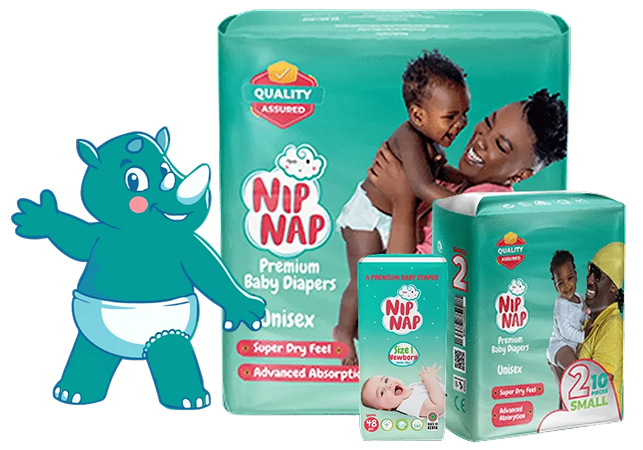
Good diapers in Kenya solve this with a dry-layer design that pulls moisture away from the skin instead of letting it sit there. NipNap’s premium diapers are built around exactly this idea — an absorbent core paired with a shape that moves with the baby rather than against them. When the fit is right, you stop thinking about leaks and start actually enjoying the parenting part.
What separates premium diapers from the rest
Not all baby diapers are built the same, and the difference shows up at 3am, not on the shelf. Here’s what to actually look for:
| Feature | Why it matters |
| Superior absorbency | A strong 3D core holds moisture for up to 12 hours — the whole idea behind “Usiku Moja, Diaper Moja,” one night, one diaper. |
| Breathable materials | Air circulation keeps skin cooler, which cuts down on heat rash. |
| Leak protection | Elastic leg cuffs and a snug waistband stop the blowouts, even with a baby who won’t sit still. |
| Hypoallergenic composition | No chlorine, no added dyes, no latex — fewer surprises for sensitive skin. |
| Wetness indicators | A color change tells you when it’s time, instead of you guessing. |
| Ergonomic fit | Stretchy fasteners stay put without digging in. |
| Soft top sheet | A cloth-like feel against the skin means less friction, less chafing. |
These aren’t nice-to-haves. Skip even one and you’ll feel it — usually at the worst possible time.
Diaper pants vs. traditional nappies
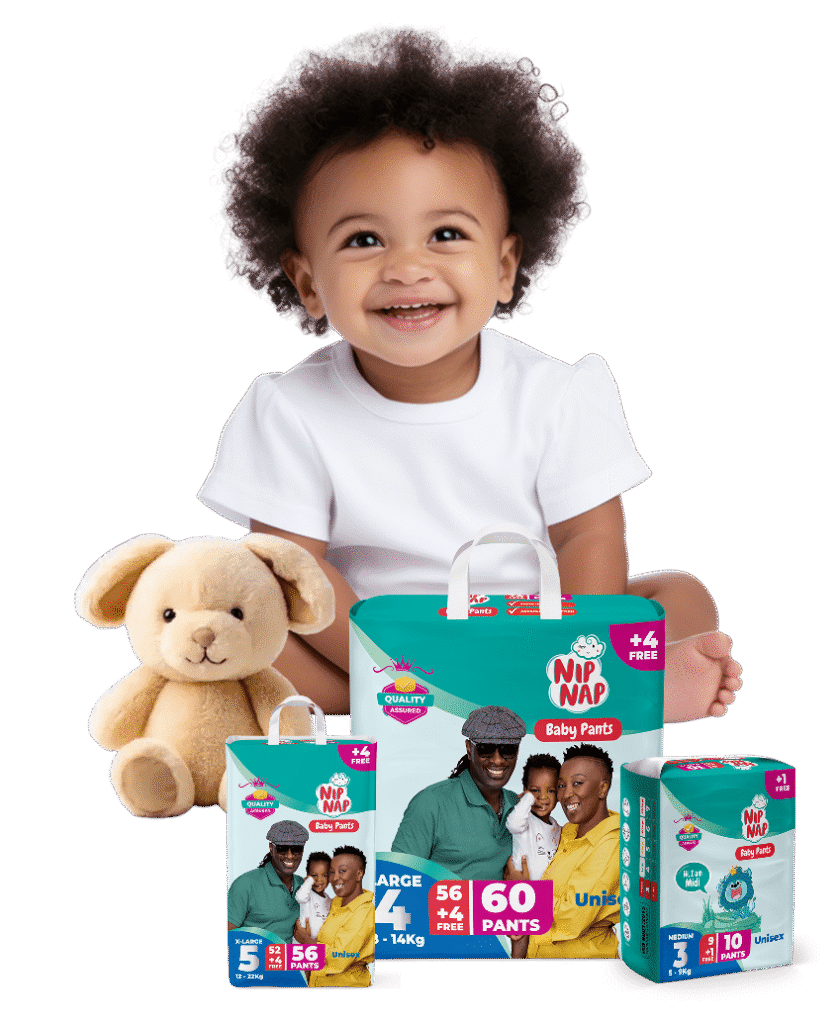
Once a baby starts crawling, walking, or generally refusing to lie still for a change, a lot of parents switch to Baby Diaper Pants Kenya instead of tape-style nappies. The logic is simple: pants pull on like underwear, no wrestling match required.
They’re not a downgrade in absorbency either — a good pair matches tape nappies on protection, usually with a 360-degree elastic waistband that skips fasteners altogether. If your toddler is edging toward potty training, diaper pants also double as a gentle transition tool, since the pull-up motion mirrors what’s coming next.
Parents who want something with a bit more personality can also check out NipNap’s Black and White Diapers — same protection, a print that doesn’t look like every other pack on the shelf.
Where to actually buy the best diapers for newborns in Kenya
You don’t need to hunt through boutique shops anymore. Carrefour, Naivas, and Quickmart all stock a decent range, and Mydawa and Greenspoon cover home delivery for parents who’d rather not add “buy diapers” to an already long errands list.
A couple of things worth doing regardless of where you shop:
- Buy the jumbo or value packs when you can — the per-diaper cost drops, and you’re not scrambling for a top-up mid-week.
- Keep an eye on supermarket loyalty programs and seasonal promotions; they show up more often than people expect.
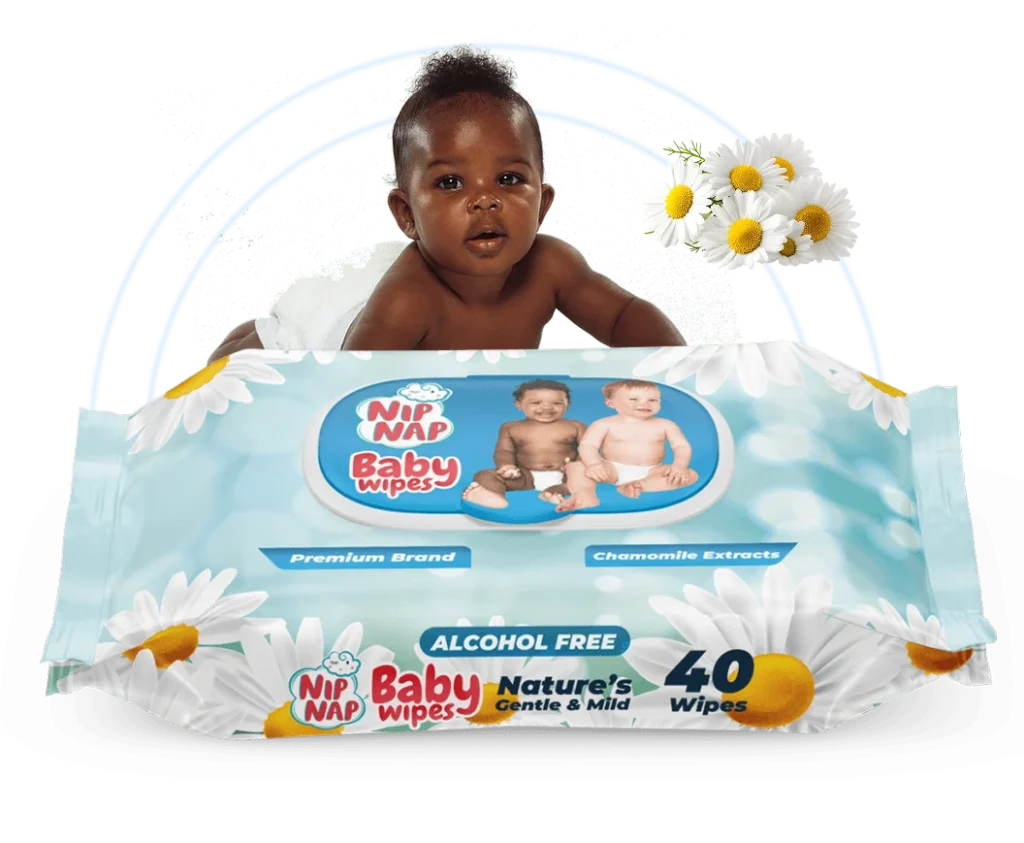
- Pair baby wipes from the same range for a routine that doesn’t fight your baby’s skin from two different directions.
If you’re newly pregnant or expecting soon, NipNap’s pregnancy and hospital checklist tools are worth a look before the baby arrives — one less thing to figure out at 2am.
Why NipNap is a trusted name among diaper brands in Kenya
NipNap is manufactured locally by Sai Pharmaceuticals Kenya Ltd, using European raw materials and automated production lines — not an imported product with a new label slapped on it. That matters for consistency: every pack performs the same way, pack after pack.
The “One Night, One Diaper” idea isn’t a slogan so much as the actual engineering goal — enough absorbency that neither the baby nor the parents are up fixing a leak at 3am. NipNap also holds KEBS, ISO, and CE certification, which covers the safety questions most parents have before trusting a new brand with their newborn’s skin.
You can read what other Kenyan parents think on the NipNap reviews page, or find the shop on Google Maps if you’d rather see it for yourself, ask a question, or check hours before visiting Thika.
The bottom line
Finding the best diapers for newborns in Kenya comes down to a handful of things that actually matter: how long the diaper keeps skin dry, how well it breathes, and whether it fits without pinching or sagging. Whether you go with a classic tape-style diaper or switch to pants for a mobile toddler, the goal is the same — a baby who stays comfortable and a parent who gets to sleep through the night.
If you haven’t tried NipNap yet, browse the full range or reach out through WhatsApp — most parents just want to know it’ll work before they commit to a pack, and that’s a fair question to ask.