
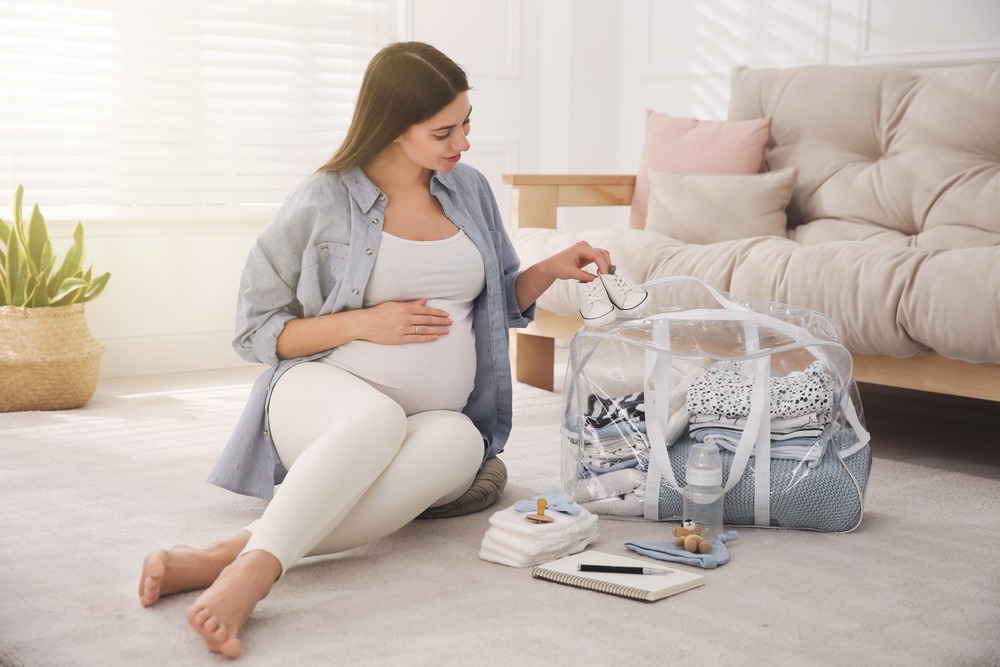
Somewhere around week 34, every Kenyan mum starts hearing the same question from aunties, workmates, and the nurse at her last clinic visit: “Is your hospital bag ready?” It’s a fair thing to ask. A rushed 2 am dash to the hospital with a half-packed bag is not how anyone wants labour to start. This hospital bag checklist for Kenya covers what to actually pack, when to pack it, and the handful of things most hospitals never mention until you’re standing in the ward asking a nurse if she has a spare.
When to Pack Your Hospital Bag
Week 34 to 36 is the safe window. Babies don’t read due dates, and plenty of Kenyan mums go into labour two or three weeks early with zero warning. Keep the bag zipped and by the front door, not buried in a wardrobe, and let your partner or whoever’s driving you know exactly where it lives.
If you’re delivering privately, check with the hospital in advance what they supply. NHIF/SHA-covered public facilities and private hospitals in Nairobi, Mombasa, or Kisumu all differ slightly on what’s included, and it’s worth a phone call rather than guessing.
What Mum Needs
- ID, antenatal card, and your NHIF or SHA details
- Two loose nightdresses or kitenges that open at the front for breastfeeding
- Heavy-flow maternity pads (bring more than feels necessary — you’ll use them)
- Slippers, a long phone charger cable, and snacks for the waiting hours
- A comfortable going-home outfit, because nothing post-birth fits like it used to
What Baby Needs — and Where Most Parents Get Caught Out
This is the part of a hospital bag checklist for Kenya that catches first-time parents off guard: hospitals rarely stock more than a diaper or two, and some don’t provide any at all. Pack your own.
For a newborn, go with tape-style disposable diapers Kenya hospitals and paediatricians generally recommend for babies who spend most of their time lying flat — the adjustable tabs matter when a newborn’s weight can shift week to week. A pack of 15 to 20 should comfortably cover a two- or three-day stay. Newborn skin is sensitive, so this is not the moment to grab whatever’s cheapest at the counter. Look for a soft inner layer and a fragrance-free core; it’s a small detail that saves you a rash in week one. Our full range of baby nappies Kenya parents already trust is worth a look before you pack.
Add two baby wraps or shawls, two newborn outfits, mittens, socks, and a decent stash of wipes. It’s also worth knowing, for a few months down the line, that once your baby starts moving, pant-style options become far more practical for quick changes — our baby diaper pants Kenya page has the full breakdown when you get there.
For Your Partner or Support Person
They get forgotten every time, and then they’re the one wearing yesterday’s clothes for a photo. Pack snacks, a phone charger, some cash for parking or a boda ride home, a change of clothes, and — if hospital chairs are anything to go by — a small pillow.
Use Our Free Hospital Bag Checklist Tool
If you’d rather tick items off than keep re-reading this list at 2am, we built an interactive hospital bag checklist tool that does exactly that. It’s free, it’s on our site, and it saves you the panic of wondering what you’ve forgotten.
FAQ
How many diapers should I pack for the hospital?
Fifteen to twenty newborn-size disposables is a safe range for a two- to three-day stay. Hospitals in Kenya rarely supply enough to get you through, so don’t rely on them.
Should I buy diapers before the birth?
A small starter pack, yes. Babies arrive at different weights, so don’t overbuy one size — you can always pick up more once you know how your baby fits.
Do I need cloth or disposable diapers for hospital?
Disposable is the practical choice for a hospital stay. Washing facilities aren’t available on the ward, and disposables are simpler for hospital staff to manage too.
Final Thoughts
A good hospital bag checklist for Kenya isn’t about packing everything you own — it’s about packing the right things, twice, so nobody’s sending a relative out at midnight for diapers. If you’ve got questions about sizing or which diapers suit your baby best, get in touch with our team and we’ll point you the right way. For more guides like this one, browse our blog, and if you’d like to see what other Kenyan parents say about us, find NipNap on Google.